Blog title: Buying a Home With Acreage in South Mississippi
A home with acreage can provide privacy, room for outdoor activities and space for a workshop, garden, animals or additional improvements. However, buying acreage involves more than evaluating the house. Buyers also need to understand the land, boundaries, access, utilities and ongoing maintenance.
I’m Jason McMichael, a Broker Associate with Real Broker LLC – CONNECT Group. I help clients purchase homes and acreage throughout Petal, Hattiesburg, Oak Grove, Sumrall, Purvis, Laurel, Ellisville and rural communities across South Mississippi.
Here are the most important questions I encourage acreage buyers to answer.
How Much of the Acreage Is Usable?
The advertised acreage tells you the size of the property—not how every acre can be used.
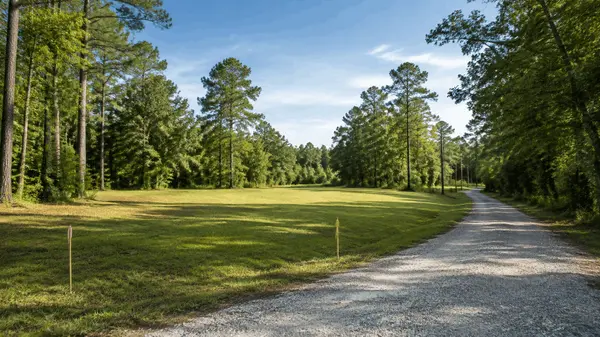
A tract may contain:
-
Wooded areas
-
Open pasture
-
Creeks or ponds
-
Low-lying land
-
Wetlands
-
Steep or uneven ground
-
Utility easements
-
Pipeline or power-line corridors
A 20-acre property with several acres of usable high ground may serve a buyer’s needs better than a larger tract containing extensive wet or inaccessible areas.
Walk as much of the property as possible. If the land is heavily wooded or difficult to reach, additional mapping, survey or professional evaluation may be needed.
Are the Boundaries Clearly Identified?
Do not assume that a fence, tree line, trail or creek is the legal property boundary.
A survey can help establish:
-
Property lines
-
Total acreage
-
Easements
-
Road frontage
-
Encroachments
-
The location of improvements
If a smaller tract is being separated from a larger parent parcel, a new survey and legal description may be required before closing.
This is particularly important when barns, fences, ponds, driveways or other improvements are located close to an assumed boundary.
Does the Property Have Legal Access?
A visible driveway does not always guarantee legally recorded access.
Confirm whether the property:
-
Fronts a public road
-
Uses a private road
-
Relies on a recorded easement
-
Has a road-maintenance agreement
-
Can be reached by construction and emergency vehicles
If utilities must cross another owner’s land, verify that the necessary rights are included in the recorded documents.
Unclear access can create problems with financing, development and future resale.
Can You Use the Property as Planned?
Before purchasing, decide how you want to use the acreage.
Common plans include:
-
Keeping horses or livestock
-
Building a workshop or barn
-
Adding another residence
-
Operating a small farm
-
Hunting
-
Managing timber
-
Creating an RV or equipment area
-
Dividing the land later
Then investigate zoning, deed restrictions, easements and applicable county requirements.
A property can feel private and unrestricted while still being subject to recorded limitations. Confirm the permitted uses before assuming your plans will be allowed.
What Utilities and Systems Serve the Home?
Rural homes may rely on systems that differ from those found in a subdivision.
Verify:
-
Public water or private well
-
Public sewer or septic system
-
Electric service
-
Propane or natural gas
-
Internet availability
-
Cellular coverage
-
Garbage collection
-
Private-road maintenance
For a property with an existing septic system, determine its location, age, condition and available records.
If you plan to build another residence, do not assume the current system can serve both homes. The Mississippi State Department of Health provides information about onsite wastewater evaluations and permitting.
What Will the Property Cost to Maintain?
More land usually means more responsibility.
Possible ongoing expenses include:
-
Mowing and bush-hogging
-
Fence maintenance
-
Gravel-road or driveway repairs
-
Pond and drainage management
-
Tree removal
-
Equipment purchases
-
Well or septic maintenance
-
Barn and outbuilding repairs
-
Pest and vegetation control
Ask which areas the current owner maintains and what equipment is needed.
Acreage does not have to be perfectly groomed, but buyers should understand the time and expense required to keep the property functioning as intended.
Should You Investigate Flooding and Drainage?
Yes. South Mississippi receives substantial rainfall, and acreage may contain multiple elevations and drainage patterns.
Search the address through the FEMA Flood Map Service Center and walk the property after rain when possible. Look for:
-
Standing water
-
Washed-out areas
-
Erosion
-
Drainage ditches
-
High-water marks
-
Creeks crossing access routes
-
Low sections around the home or outbuildings
A flood map is an important starting point, but it does not show every drainage concern on an individual tract.
My Acreage-Buying Checklist
Before closing, verify:
-
The boundaries and total acreage
-
Legal access and road maintenance
-
The amount of usable land
-
Flooding and drainage
-
Well, septic and utility information
-
Restrictions and intended uses
-
The condition of fences and outbuildings
-
Insurance and financing requirements
-
Ongoing maintenance costs
-
Timber, mineral, hunting or farming agreements
Finding the Right South Mississippi Property
Acreage in Lamar County may present different questions from land in Forrest, Jones, Wayne, Perry or Marion County. The right property depends on what you want to do with the land—not simply the number of acres advertised.
After completing more than 275 transactions representing over $65 million in sales volume, I understand how to help buyers look beyond the house and evaluate the complete property.
If you are considering a home with acreage in South Mississippi, I can help you identify suitable properties and organize the questions that should be answered before you make an offer.
- Mississippi State Department of Health On-Site Wastewater Program
https://msdh.ms.gov/page/30%2C0%2C78.html - FEMA Flood Map Service Center
https://msc.fema.gov/
About Jason McMichael
Jason McMichael is a Broker Associate with Real Broker LLC – CONNECT Group. He serves buyers and sellers throughout Petal, Hattiesburg, Oak Grove, Sumrall, Purvis, Laurel, Ellisville and communities across South Mississippi.
Jason McMichael, Broker Associate
Real Broker LLC – CONNECT Group
Cell: 601-804-2524
Office: 601-804-2821
Email: jasonmc.sales@gmail.com
Website: connectgroupreal.com
This article provides general real-estate information. Buyers should independently verify boundaries, access, utilities, restrictions, flood information, septic requirements and other matters important to their purchase.
Categories
- All Blogs (14)
- Buyer Resources (3)
- Buyer Resources and Seller Resources (2)
- Community Guides (5)
- Hattiesburg Real Estate (5)
- Home Buying (5)
- Home Selling (2)
- Land and Acreage (3)
- Living in Petal, Petal Real Estate, South Mississippi Relocation (1)
- Mississippi Real Estate (2)
- Oak Grove Real Estate (2)
- Petal Real Estate (4)
- South Mississippi Real Estate (2)
- South Mississippi Relocation (1)
Recent Posts